What’s new
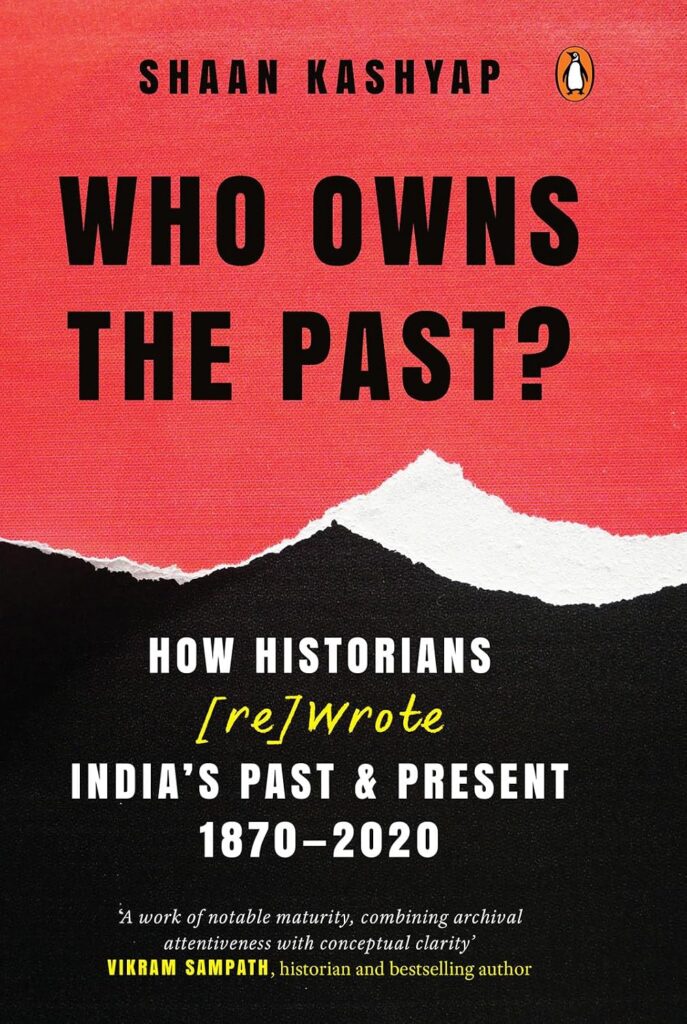

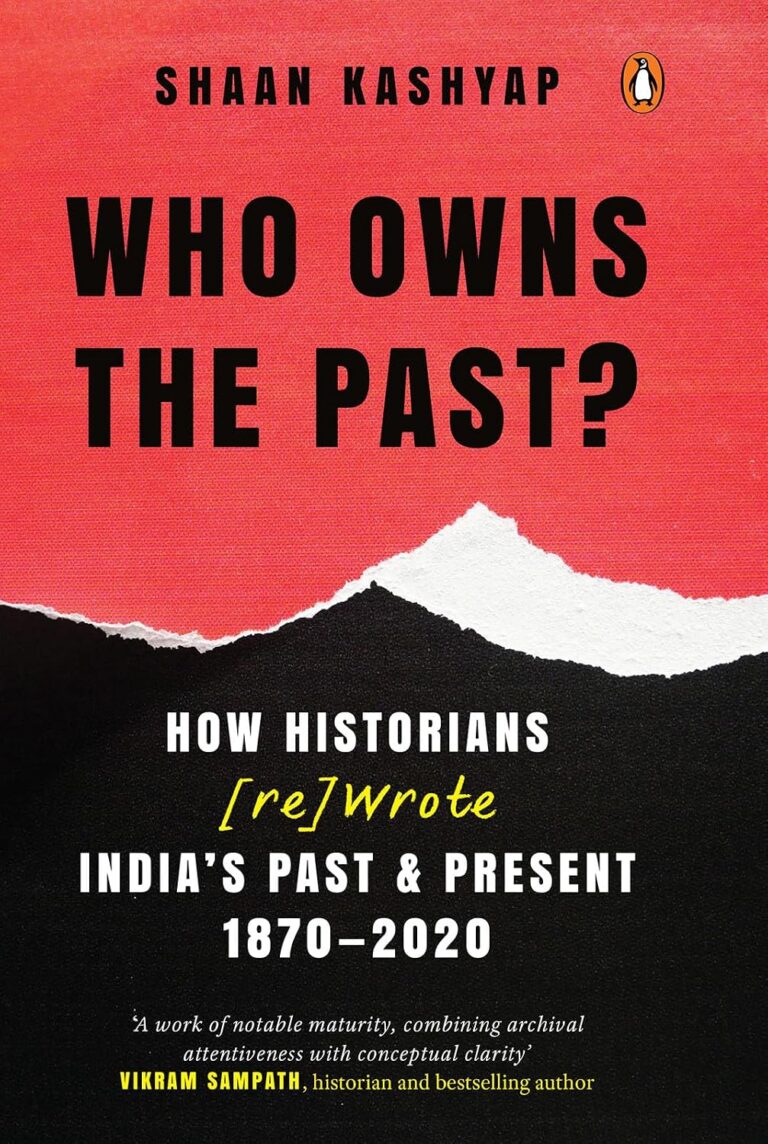
“Who Owns the Past?” by Shaan Kashyap
History, or least the writing of it, does not remain confined to academia or historians; it can increasingly become a matter of public debate. When it comes to India, debates about the past can be bitter, not just in one-off spats but as a constant source of tension between the ends of the political divide….

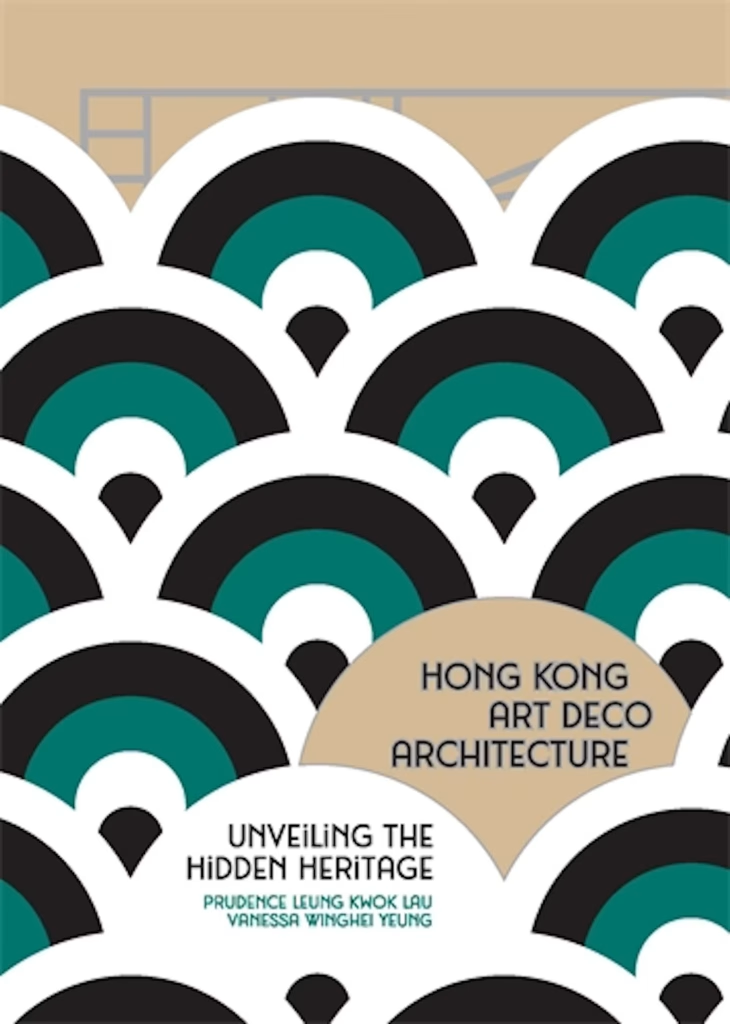
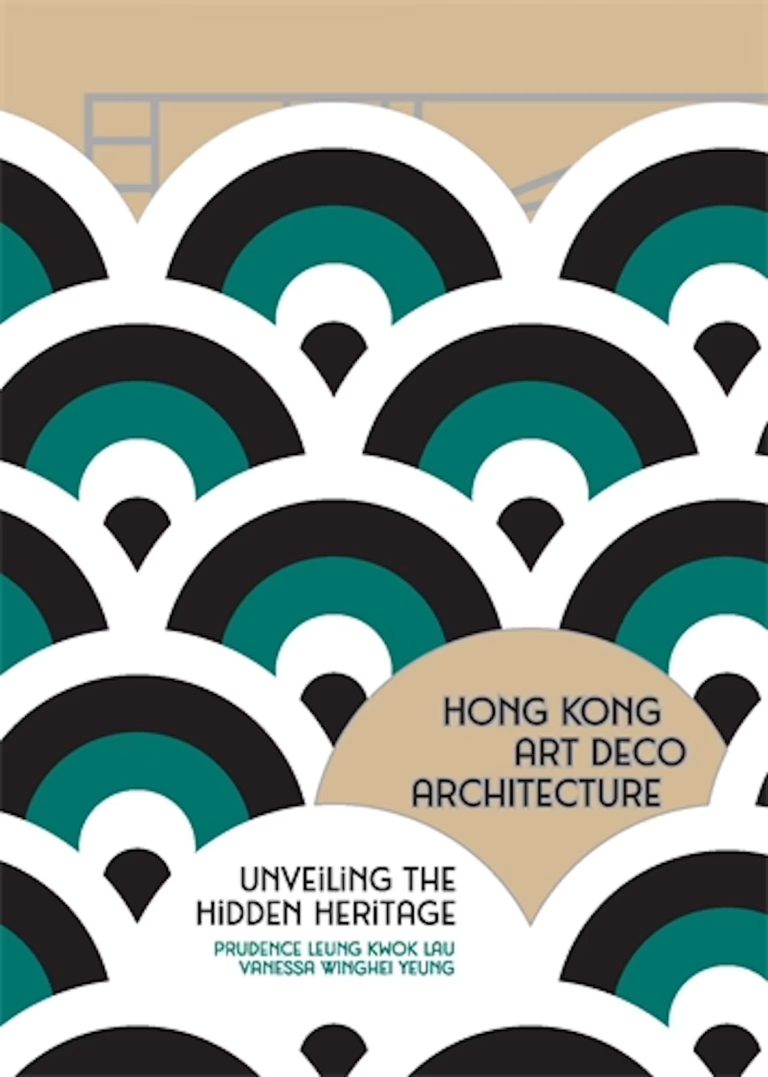
“Hong Kong Art Deco Architecture: Unveiling the Hidden Heritage”
In Moliere’s play Le Bourgeois Gentilhomme, the wannabe aesthete Monsieur Jourdain learns with delight that “for more than forty years…
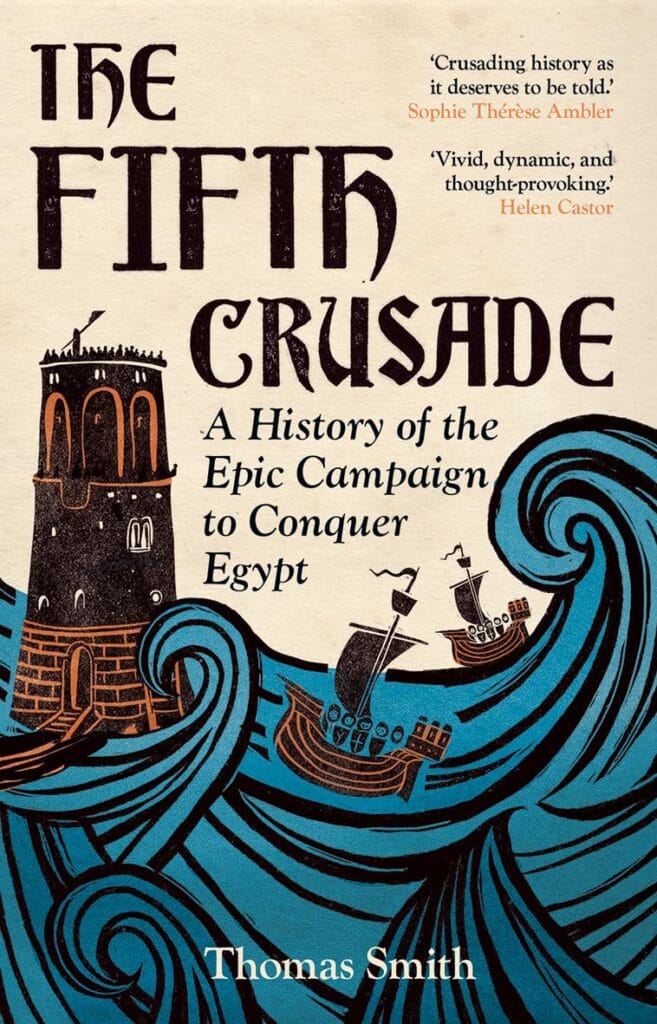
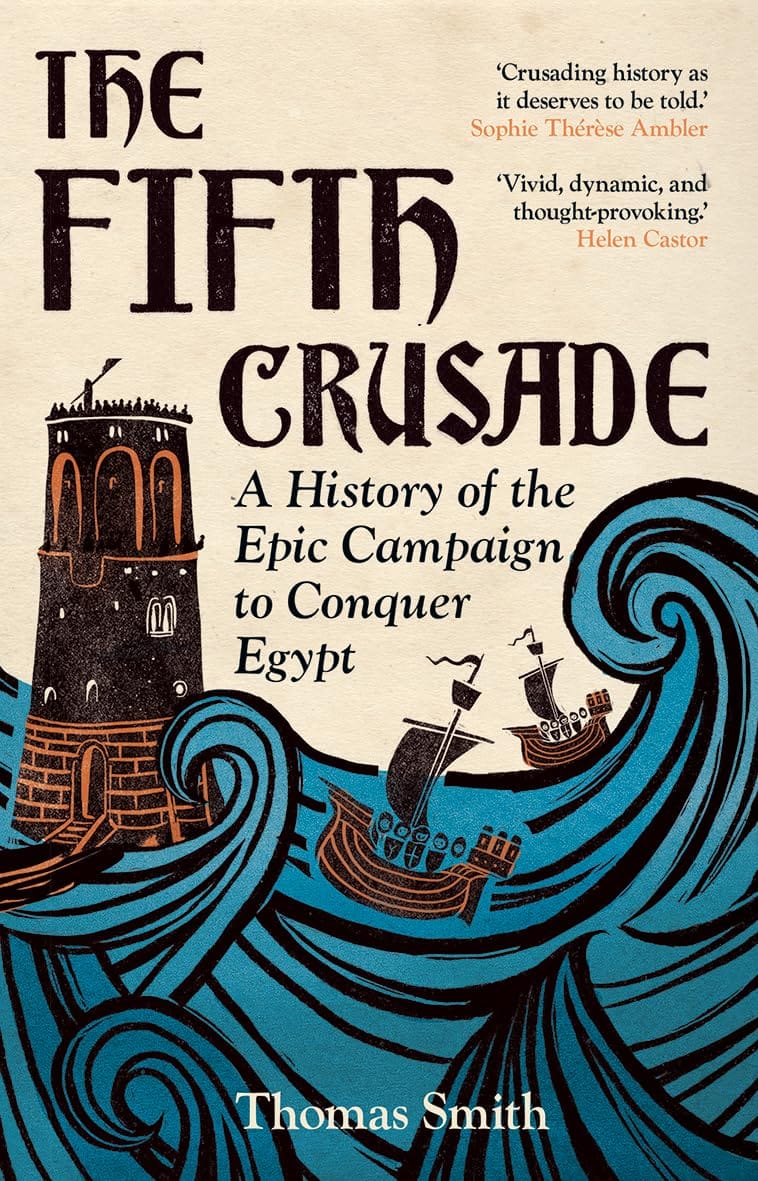
“The Fifth Crusade” by Thomas Smith
This century’s “forever wars” have nothing on the Crusades, which lasted some three centuries and had to be numbered. Lay…

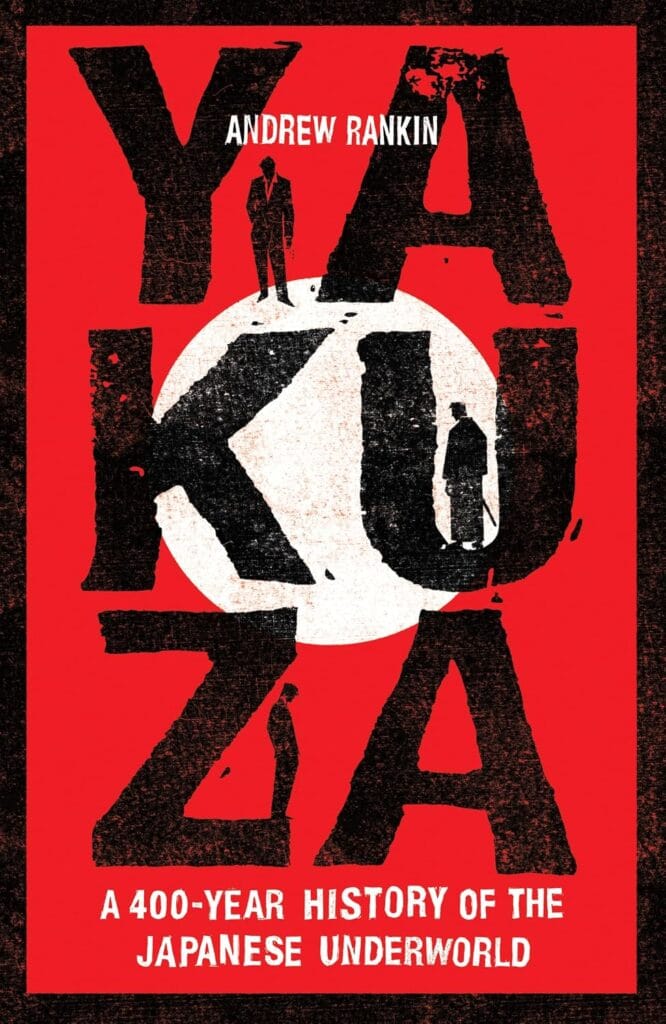
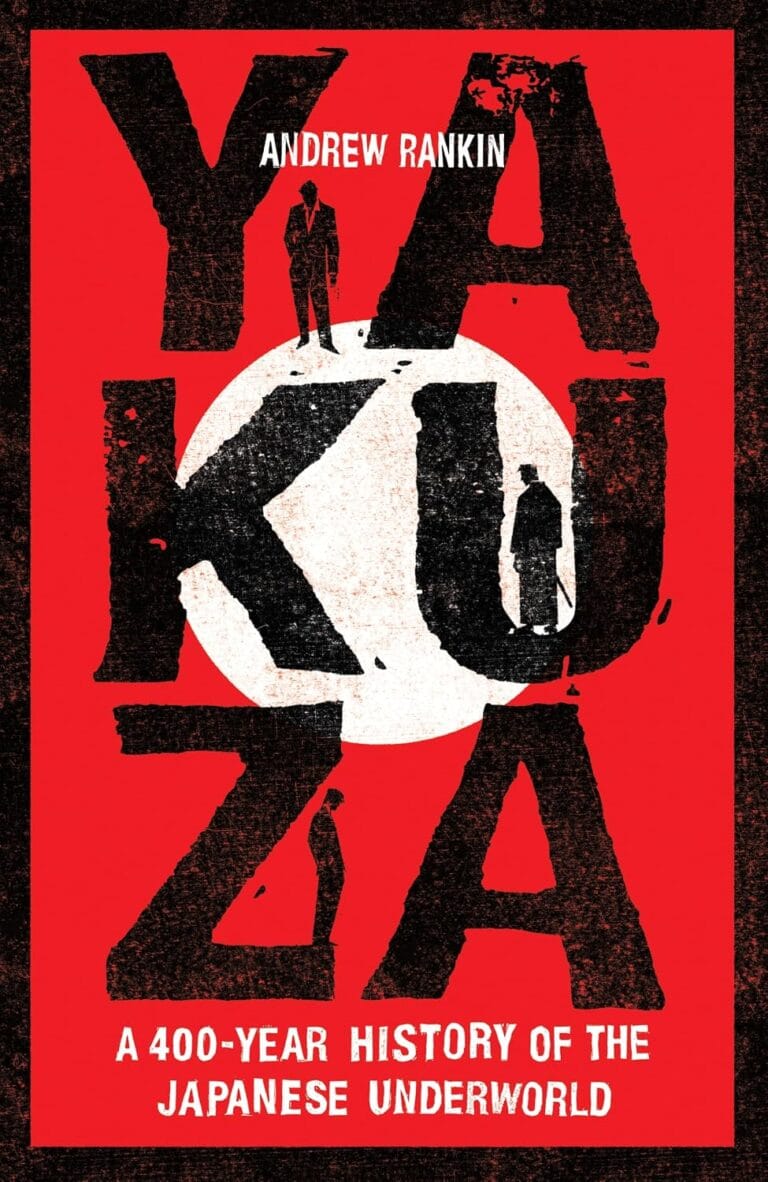
“Yakuza” by Andrew Rankin
The word yakuza has its own history, and it is not what most readers assume. Kabuki theatre and popular fiction…
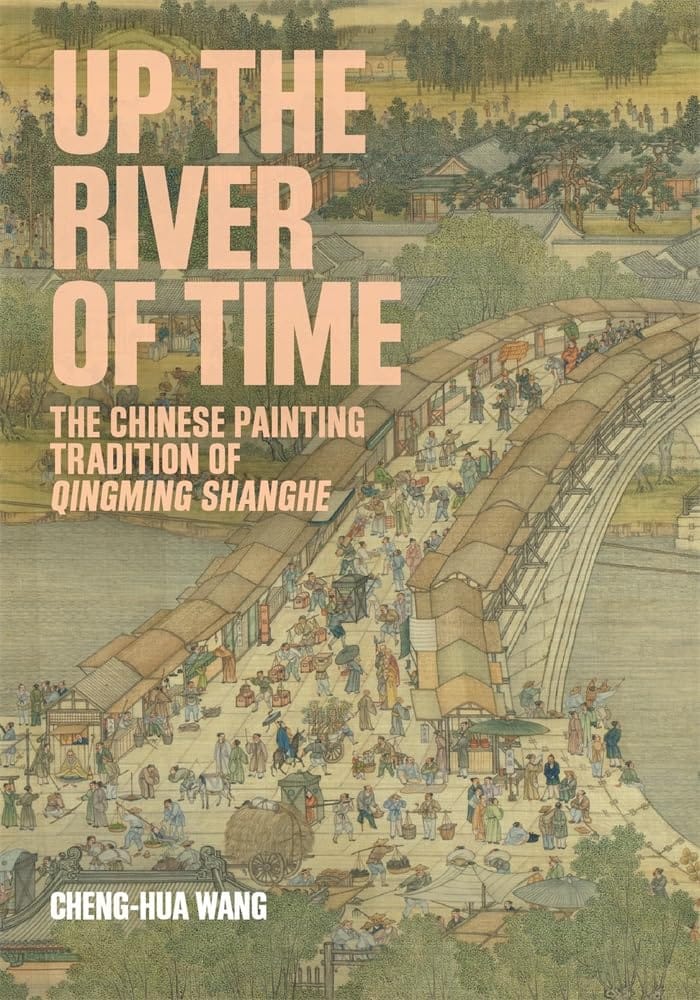
“Up the River of Time” by Cheng-hua Wang
Can a painting outlive its authenticity? For art lovers and collectors, an artwork’s value is often inseparable from its status…

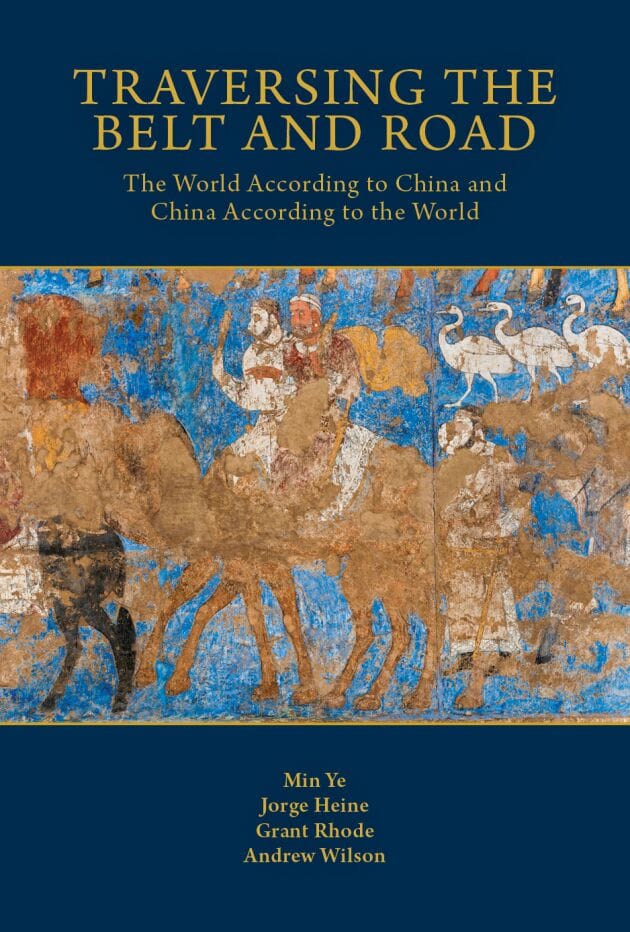
“Traversing the Belt and Road: The World According to China and China According to the World”
As are many things regarding China’s developing place in the world, the “Belt and Road Initiative” (or BRI)—the term used for China’s international infrastructure investment programme—is contentious. Discussion about the programme’s objectives and efficacy are almost inevitably coloured by one’s geopolitical view of “China’s rise”. Those who are discomforted by the latter are prone to…

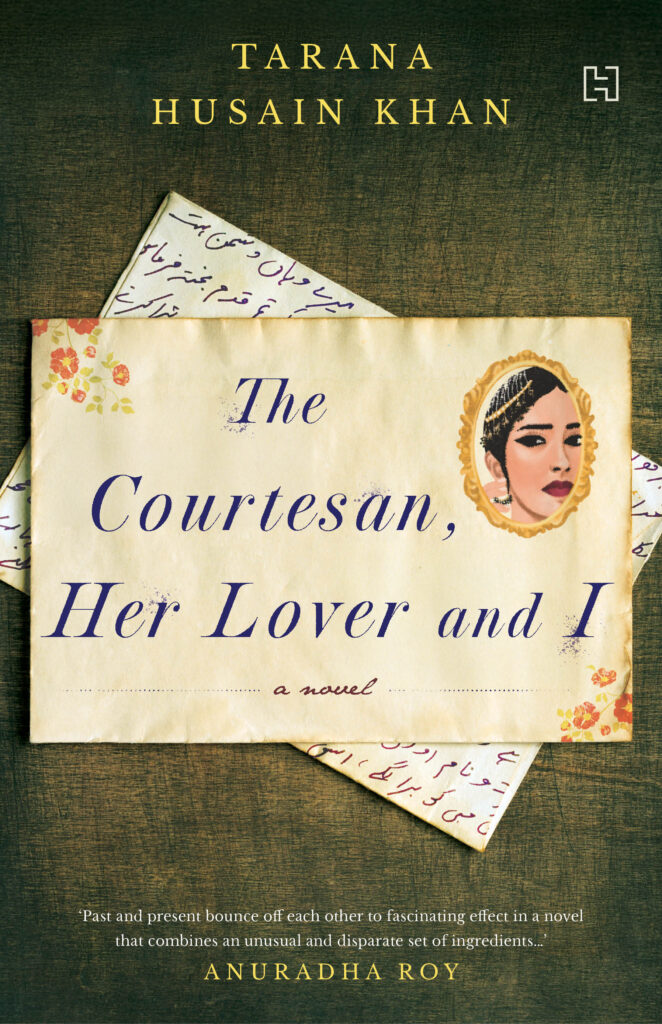
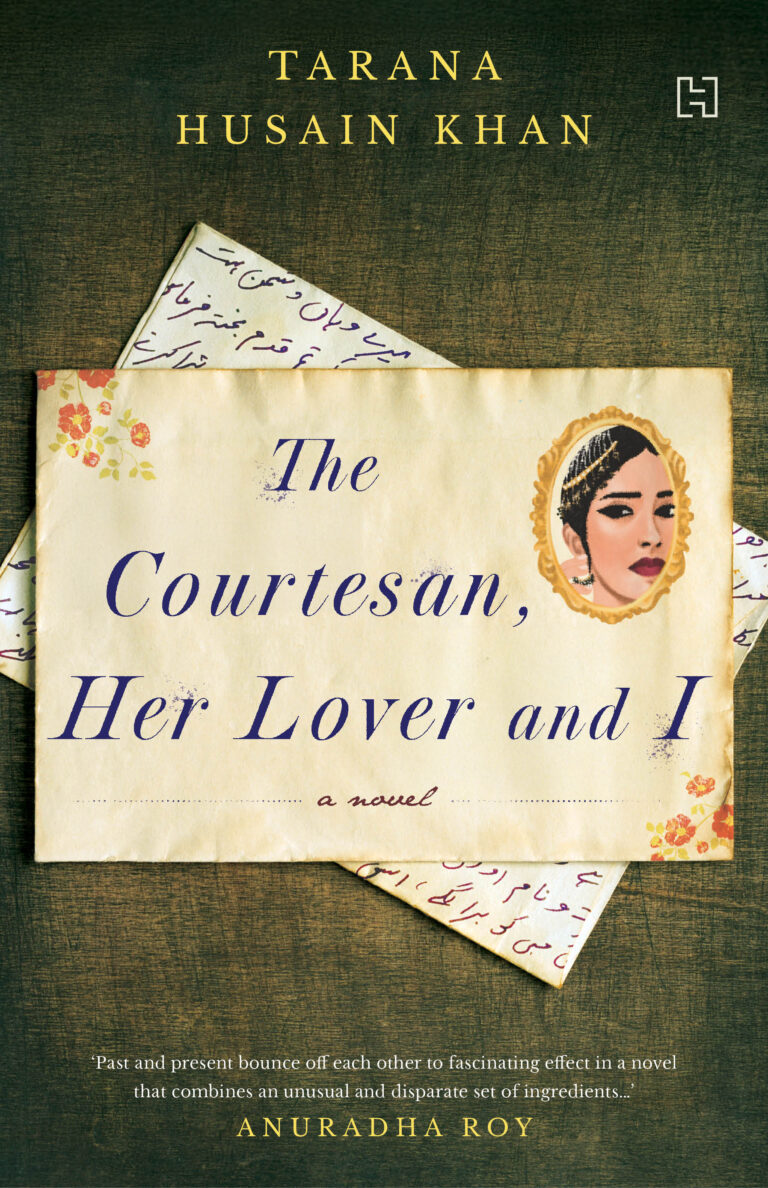
“The Courtesan, Her Lover, and I” by Tarana Husain Khan
In modern day Rampur, aspiring writer Rukmini finds herself fascinated by the life of Munni Bai Hijab: the real-life 19th-century courtesan and poet whose voice and achievements were eclipsed by her love affair with and role as muse to the great Urdu poet Dagh Delvi. As Rukmini begins researching and transcribing Hijab’s untold story, she…

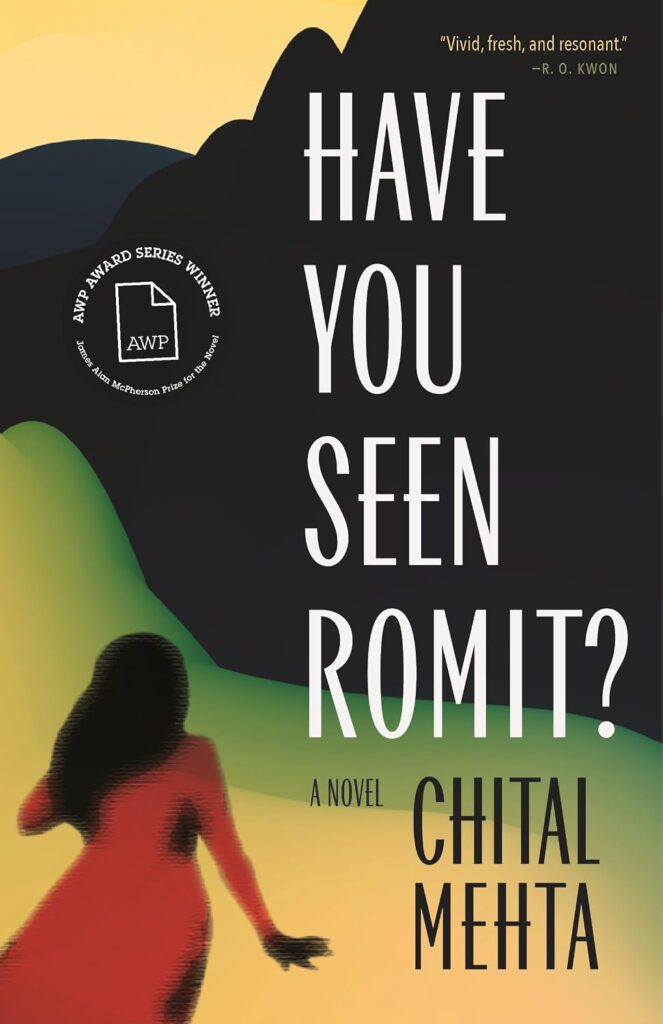
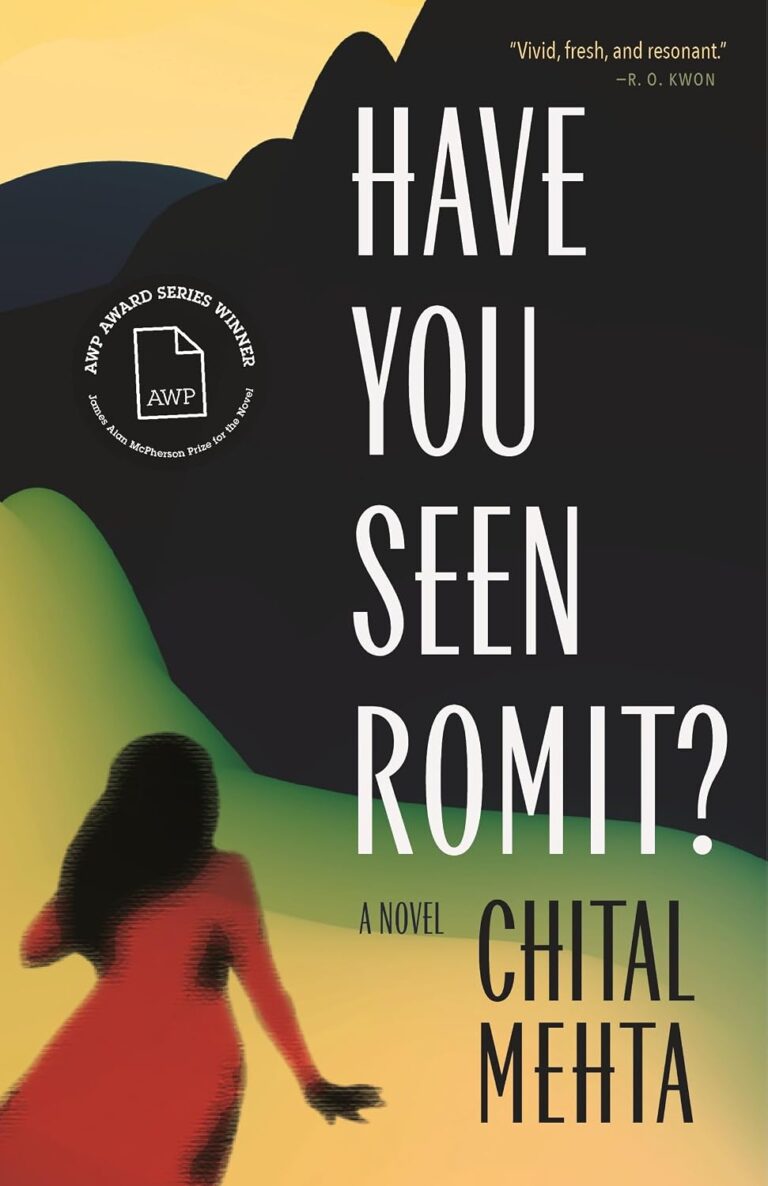
“Have You Seen Romit?” by Chital Mehta
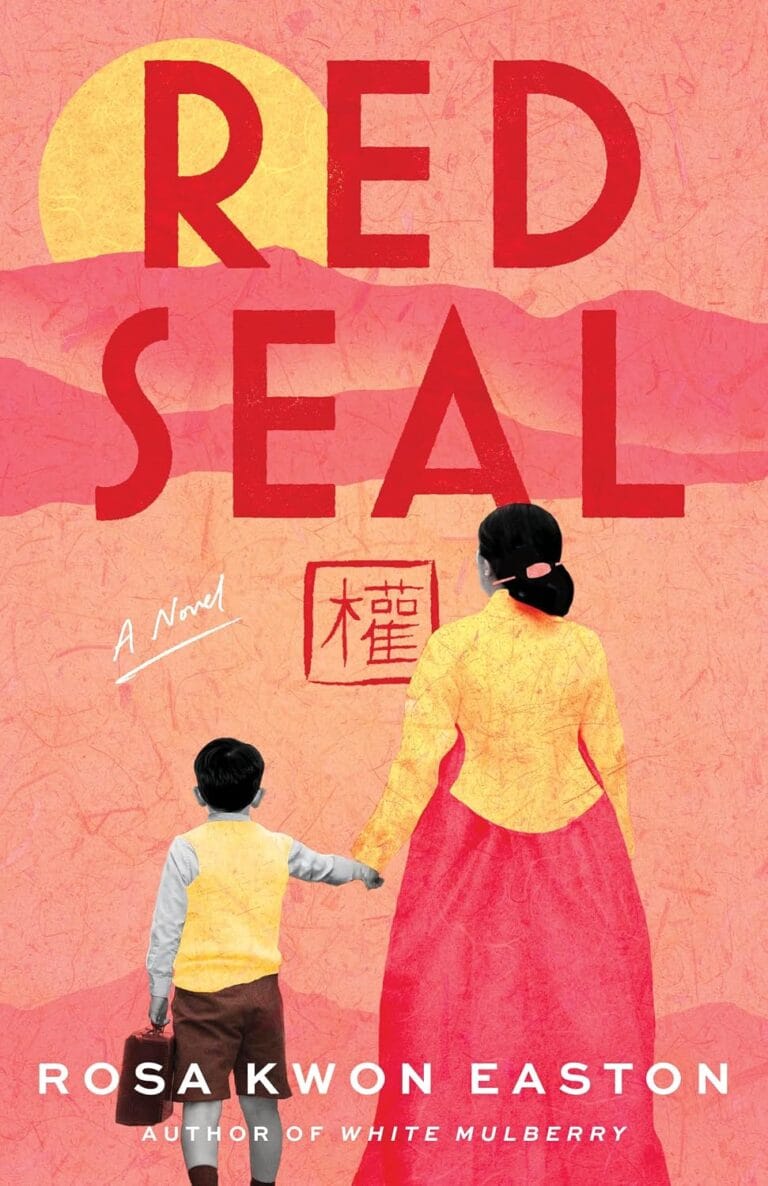
Usha and her husband Om are part of a Gujarati community in Coimbatore and the parents of three grown children:…“Red Seal” by Rosa Kwon Easton
Rosa Kwon Easton’s debut novel, White Mulberry, tells the story of Miyoung, a Korean nurse who passes as Japanese while…

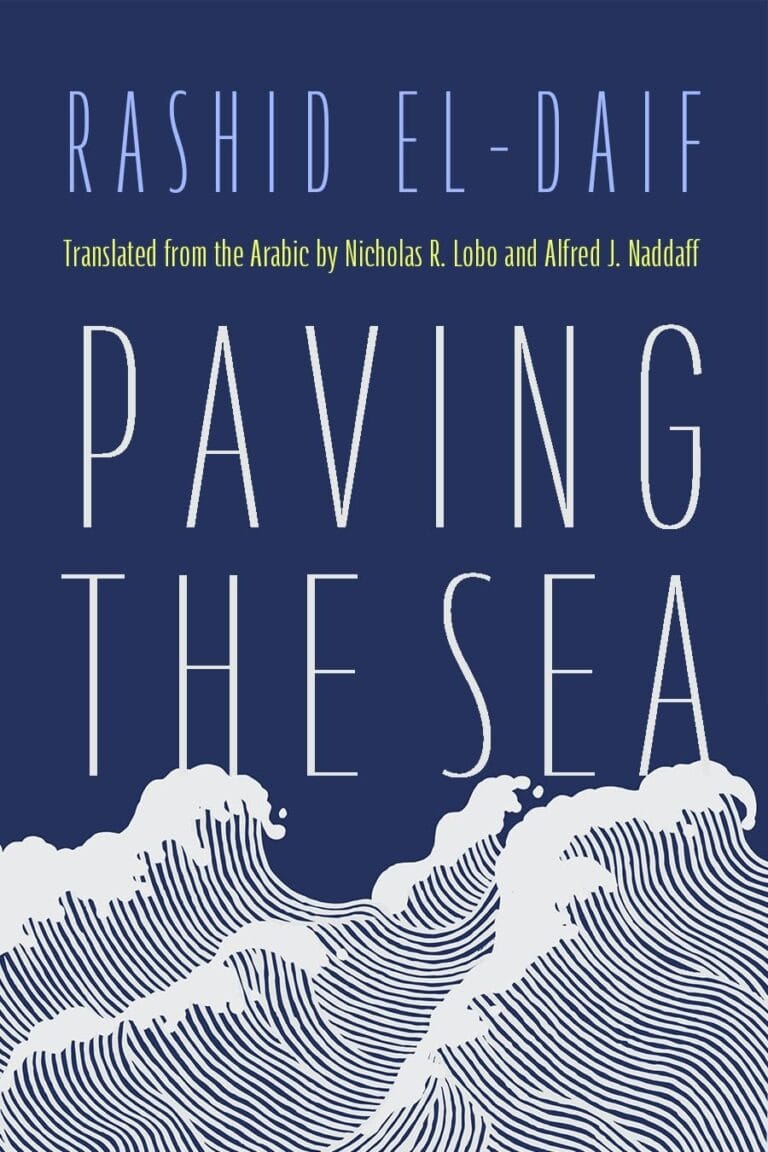
“Paving the Sea” by Rashid El-Daif
Lebanese novelist and poet Rashid El-Daif is one of the leading voices in contemporary Arabic literature, perhaps best known in…
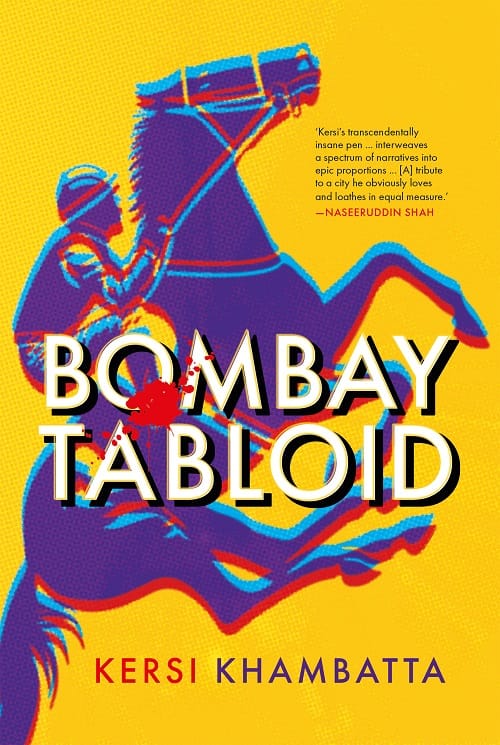
“Bombay Tabloid” by Kersi Khambatta
At the center of Kersi Khambatta’s Bombay Tabloid is Cyrus Kerman, the son of an Iran-born bakery owner, and his…

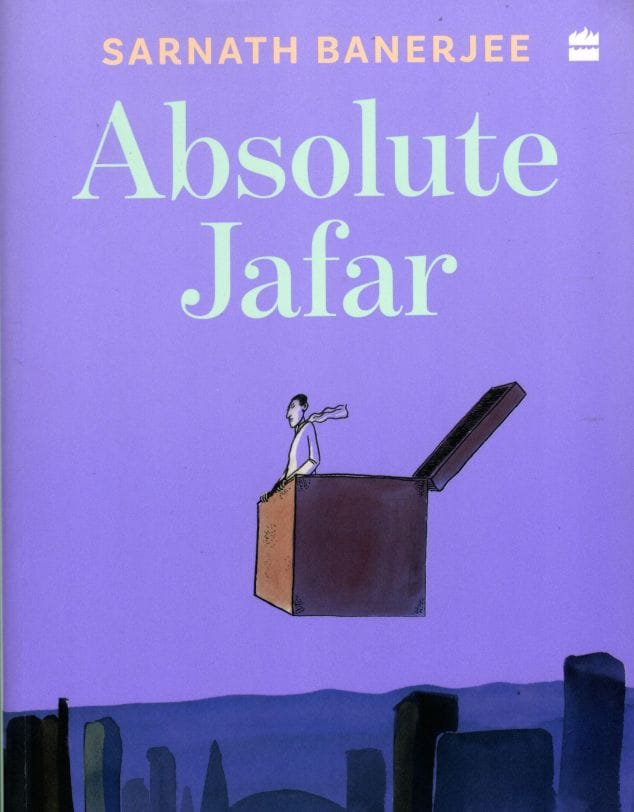
“Absolute Jafar” by Sarnath Banerjee
A border is usually imagined as a line on a map. In Absolute Jafar, Sarnath Banerjee shows how that line can enter a marriage, a family and even a child’s idea of home. His sixth graphic novel follows Brighu Sen, an Indian man who falls in love with a Pakistani artist, marries her, moves to…
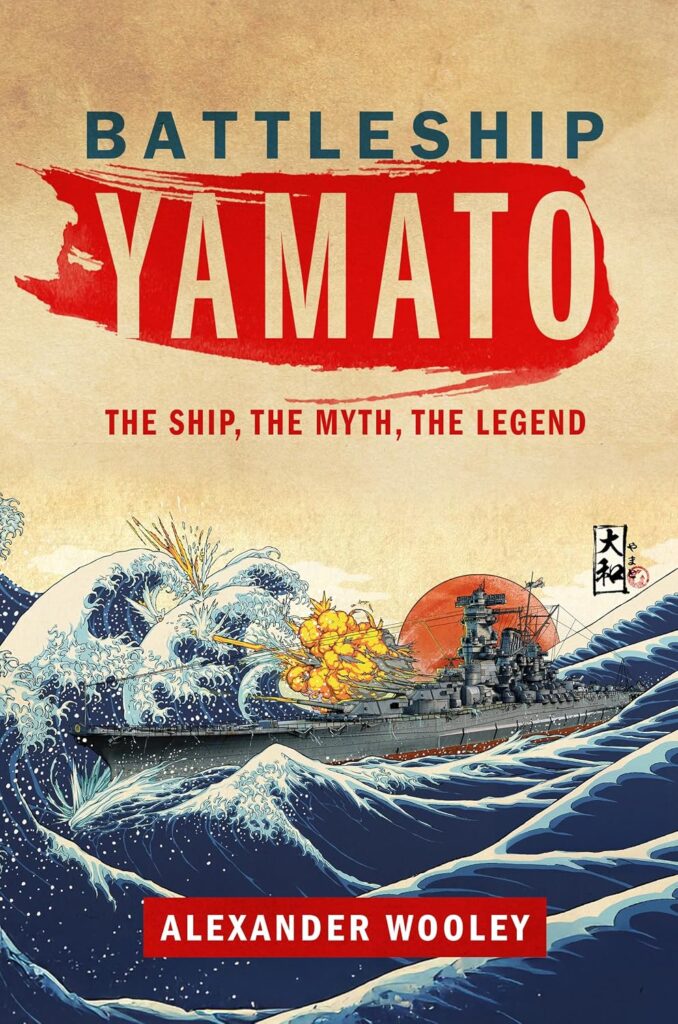
“Battleship Yamato” by Alexander Wooley
Author Alexander Wooley explores the enduring legacy of the battleship Yamato, weaving together history, myth, and cultural impact to reveal how a wartime icon became a symbol of Japan’s identity…
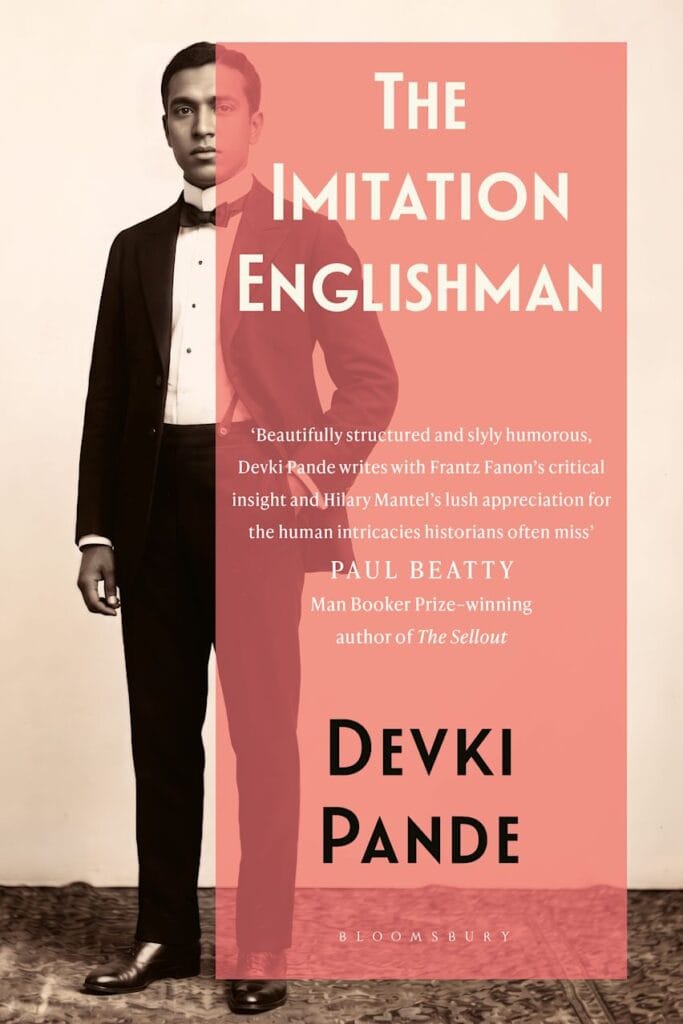
“The Imitation Englishman” by Devki Pande
It is 1916, the middle of World War I. Madhusudan Chandra Joshi is a young clerk who works at the District Courts of India. As he journeys to Heidelberg to…
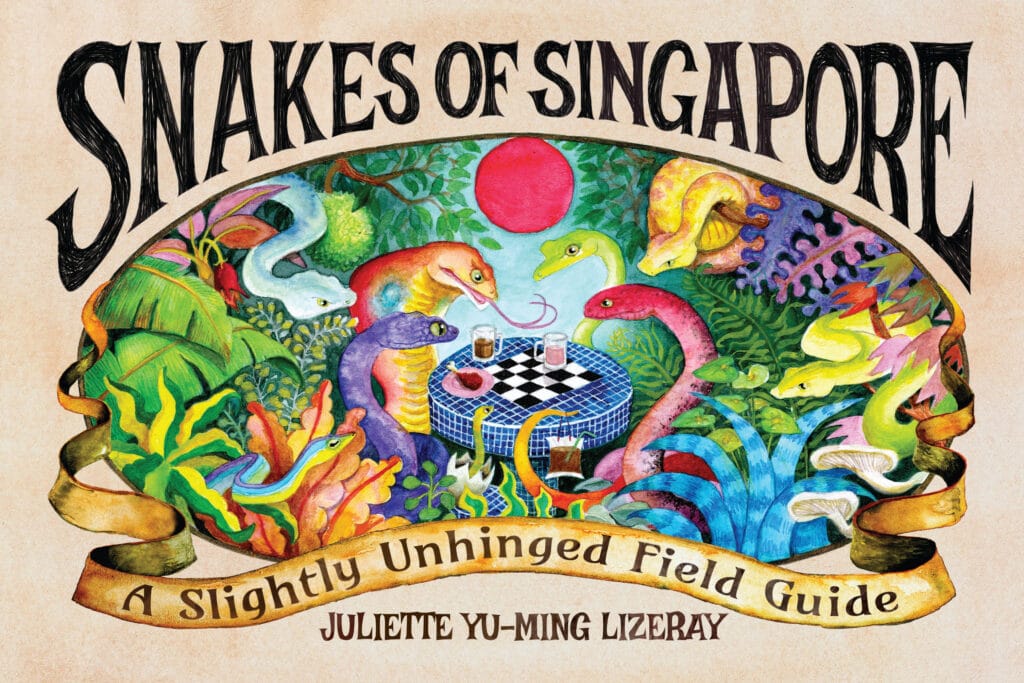
“Snakes of Singapore: A Slightly Unhinged Field Guide” by Juliette Yu-Ming Lizeray
Meet Singapore’s strangest inhabitants. The snake that cartwheels. The snake that clones itself. The snake that flies through the air. Snakes are everywhere in Singapore, gliding through mangroves, sunning on…
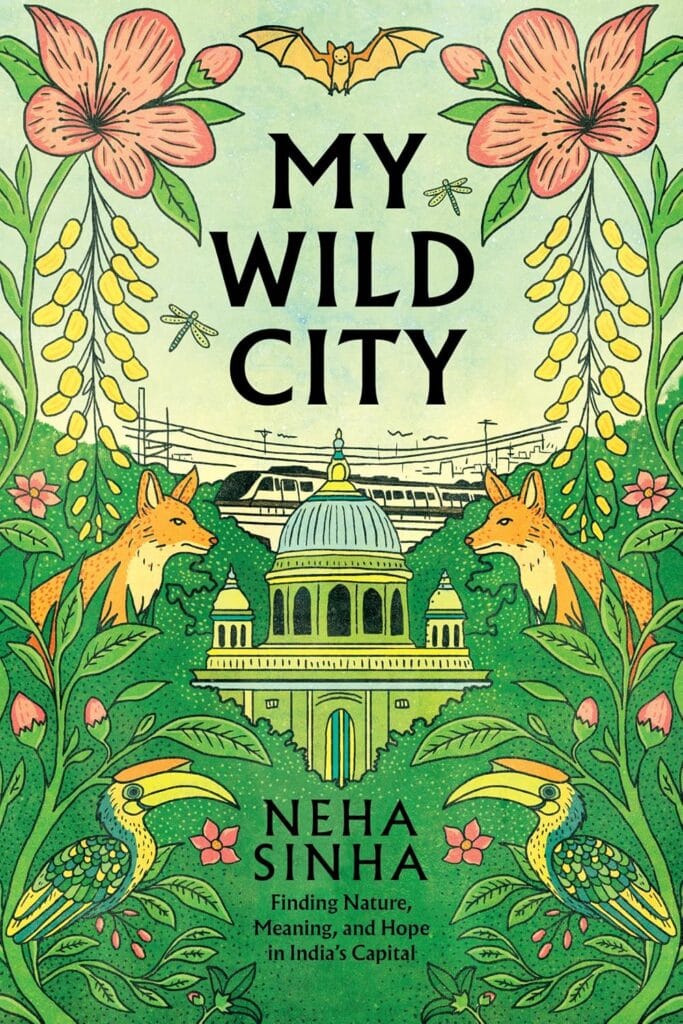
“My Wild City: Finding Nature, Meaning, and Hope in India’s Capital” by Neha Sinha
In My Wild City, acclaimed nature writer Neha Sinha takes us on an unforgettable journey through the hidden wildernesses of the bustling metropolis of Delhi, India, where she finds as…
You must be logged in to post a comment.