What’s new
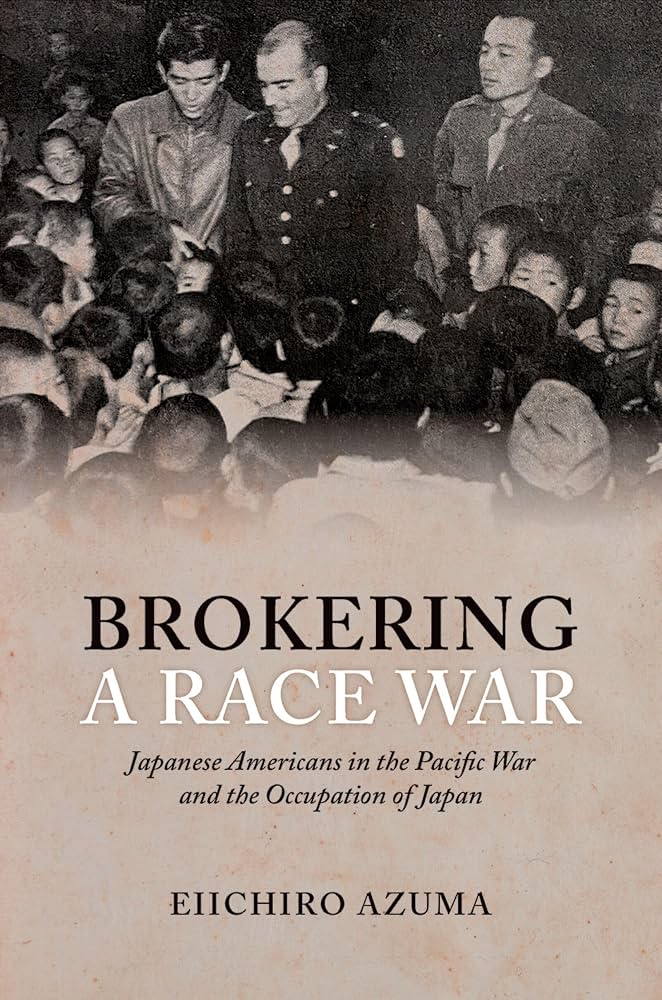


“Brokering a Race War: Japanese Americans in the Pacific War and the Occupation of Japan” by Eiichiro Azuma
Historians writing of Japanese Americans (also known as Nisei) in the Second World War have produced more books on their fighting in Europe as soldiers of the US Army’s 442nd Regimental Combat Team (RCT) than they have on how the Nisei gathered intelligence and produced propaganda for US civilian agencies and the Army in the…

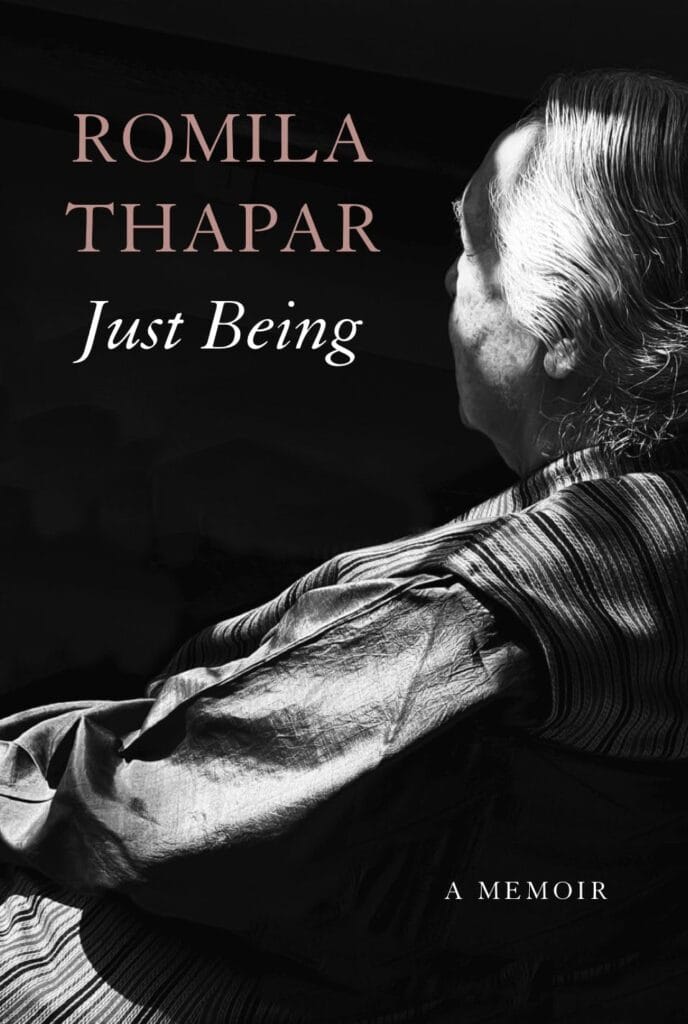
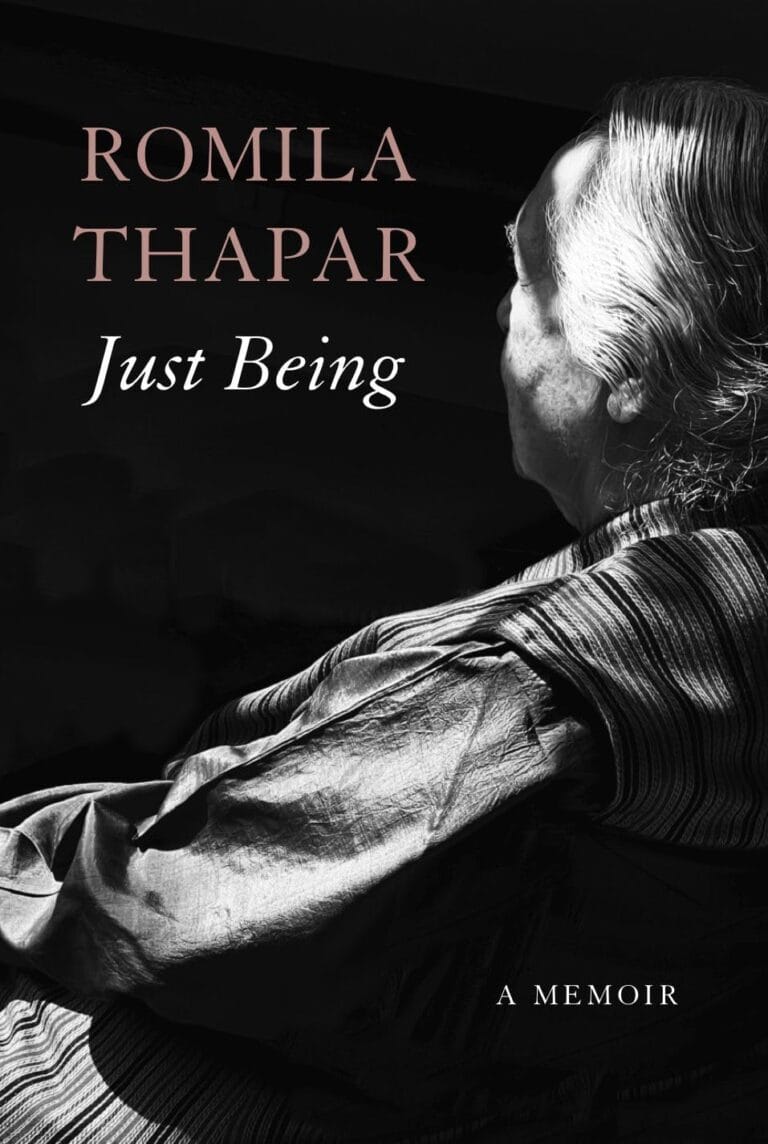
“Just Being” by Romila Thapar
The first book I ever read about India was Romila Thapar’s 1965 History of India, published by Penguin. That little…
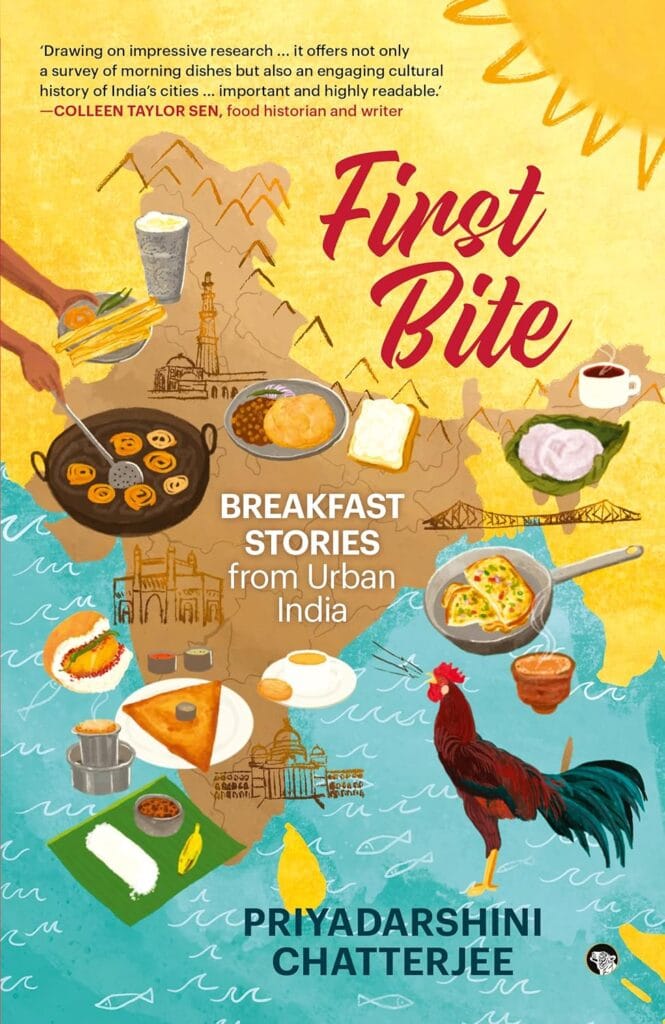
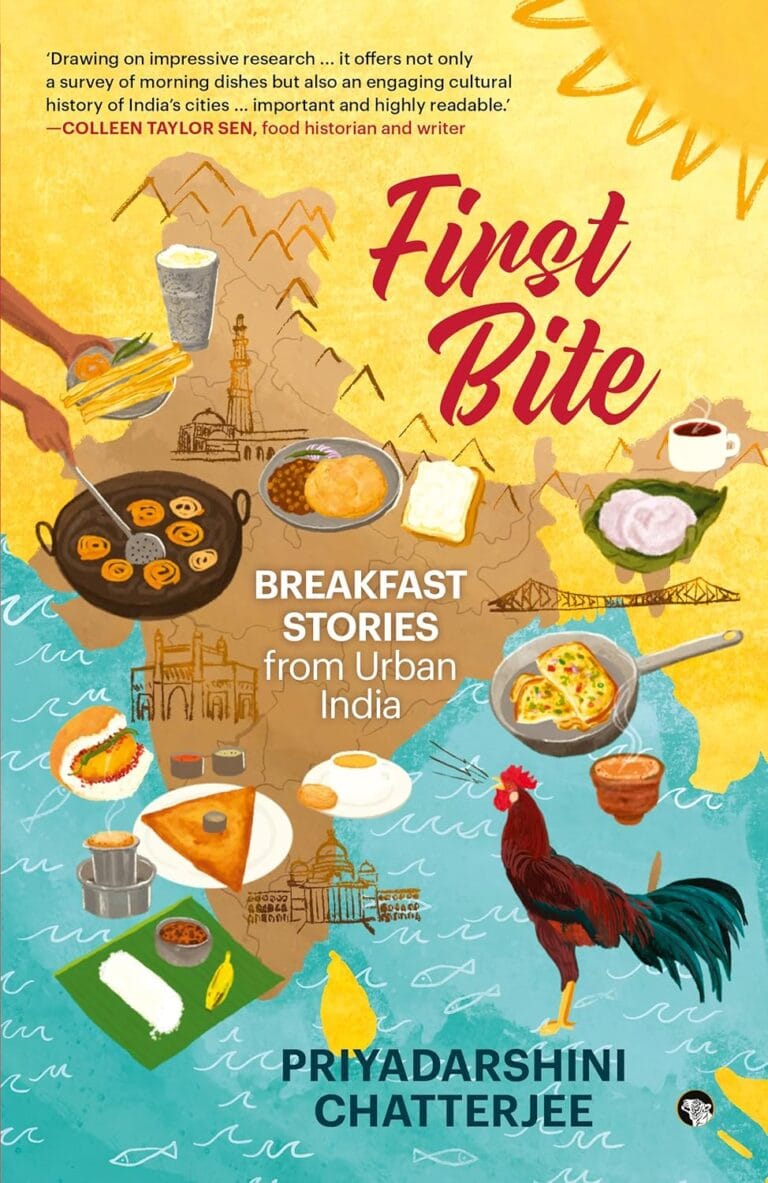
“First Bite: Breakfast Stories from Urban India” by Priyadarshini Chatterjee
Breakfast, the first meal of the day, in India carries two competing traditions. On one hand, ritual references to food…

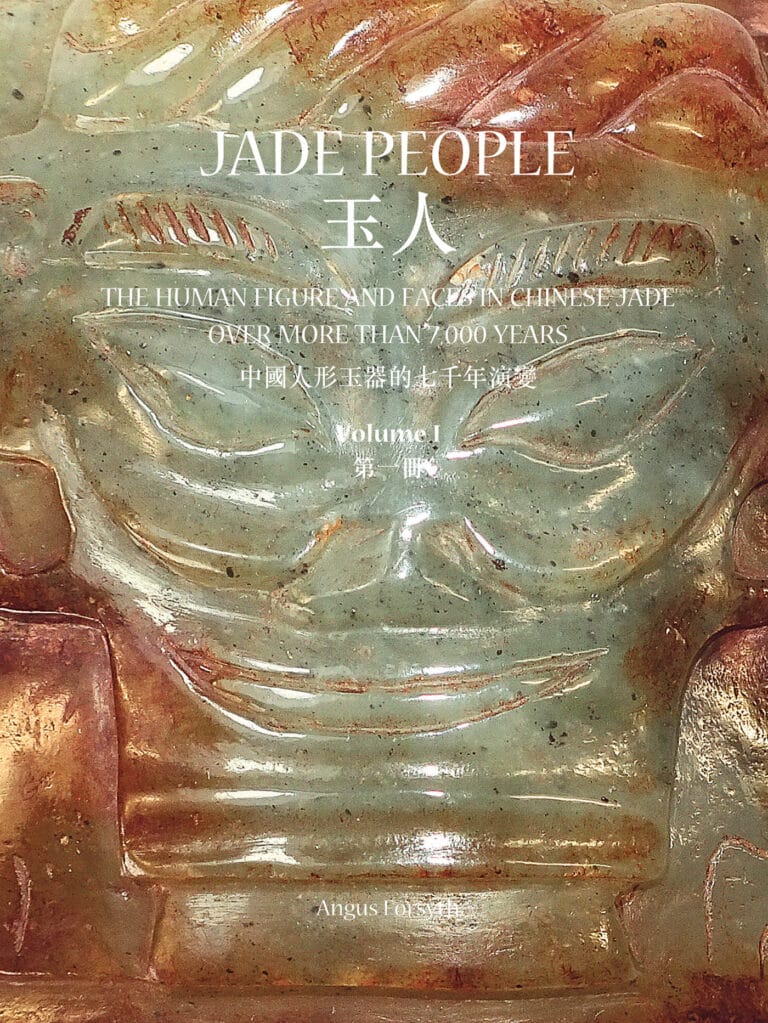
“Jade People” by Angus Forsyth
Among the earliest examples of sculptural art are representations of the human figure, like the 25,000-year-old Willendorf Venus discovered in…
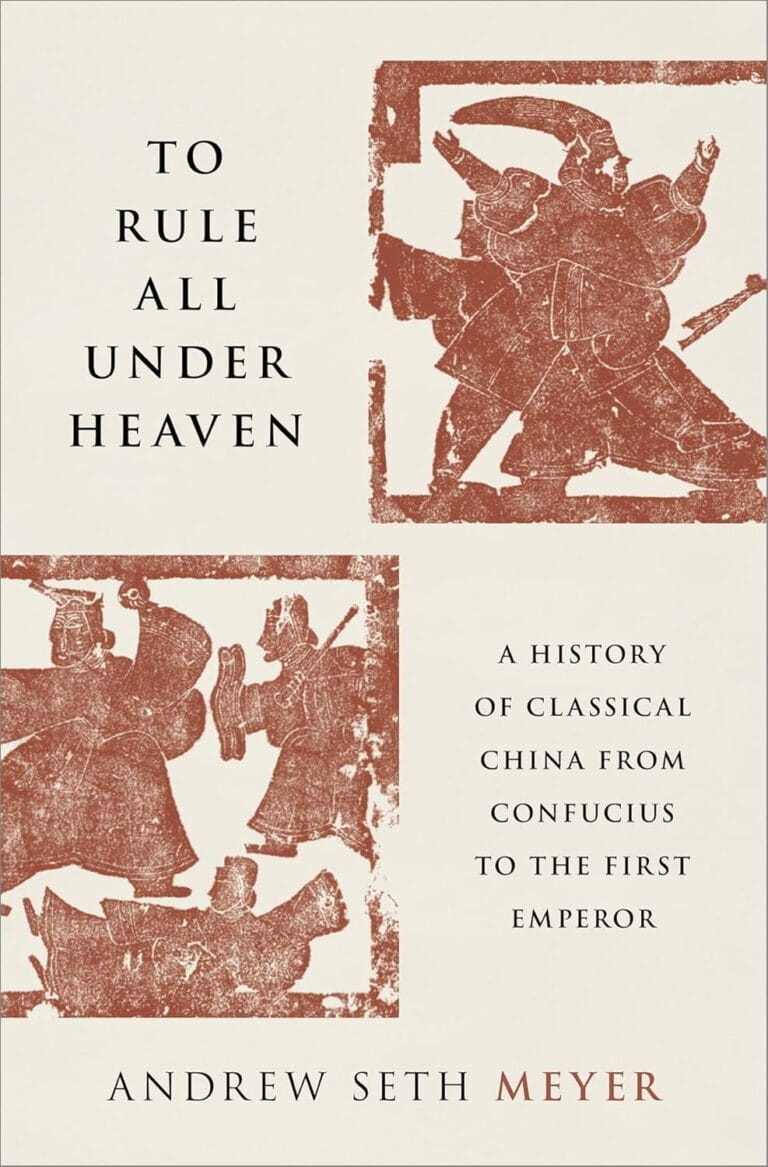
“To Rule All under Heaven: A History of Classical China…” by Andrew Seth Meyer
Many books about ancient Chinese history are written for those already in the know; there is a dearth of accessible…
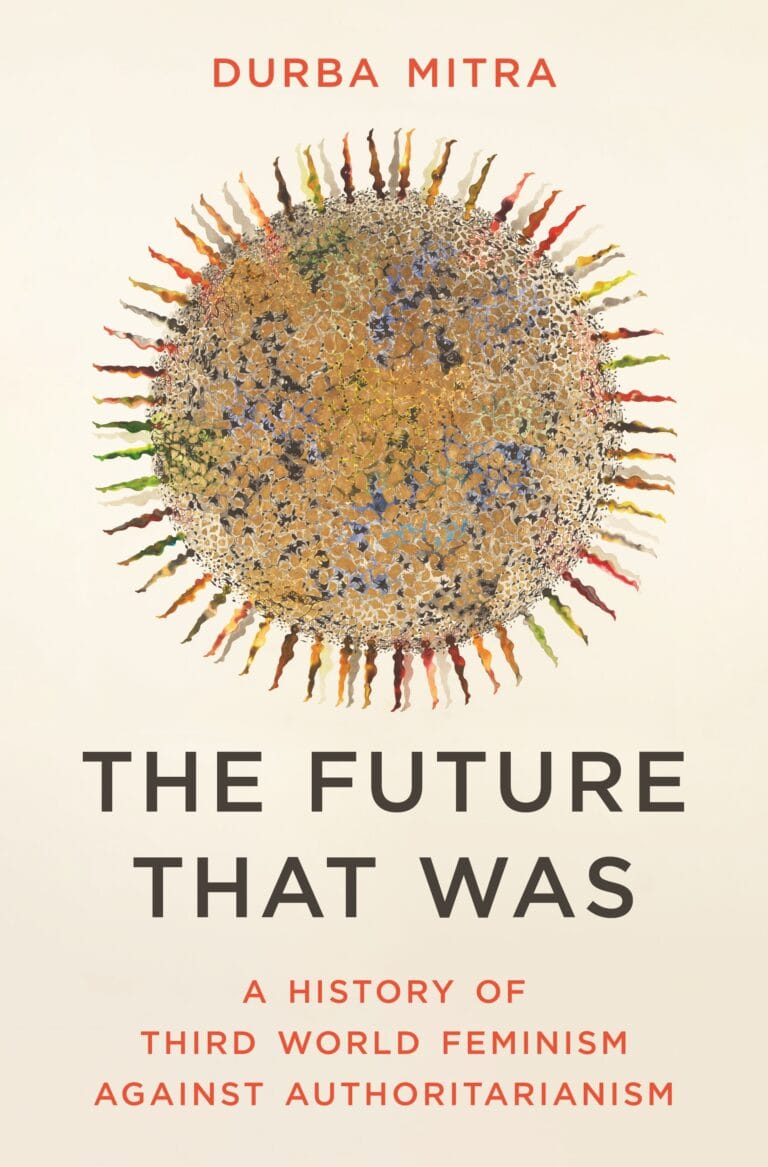
“The Future That Was” by Durba Mitra
Decolonisation and nation-building were twinned processes in the second half of the 20th century. But for Durba Mitra, author of The Future That Was: A History of Third World Feminism Against Authoritarianism, the age of decolonisation was also marked by the rise of transnational feminisms. Women from Africa, Asia, and the Caribbean challenged authoritarian tendencies…

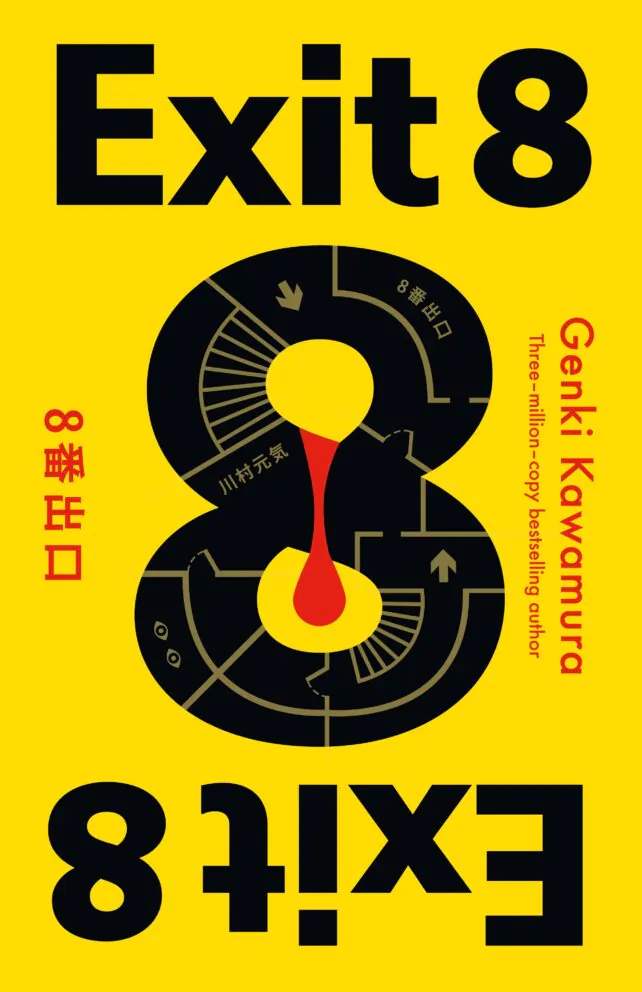
“Exit 8” by Genki Kawamura
“Do not overlook any anomalies… If you find an anomaly, turn back immediately… If you do not find any anomalies, do not turn back… Go out through Exit 8”. Guided only by these cryptic instructions, the unnamed narrator of Genki Kawamura’s Exit 8 attempts to break free from an underground loop. Wandering through the same…

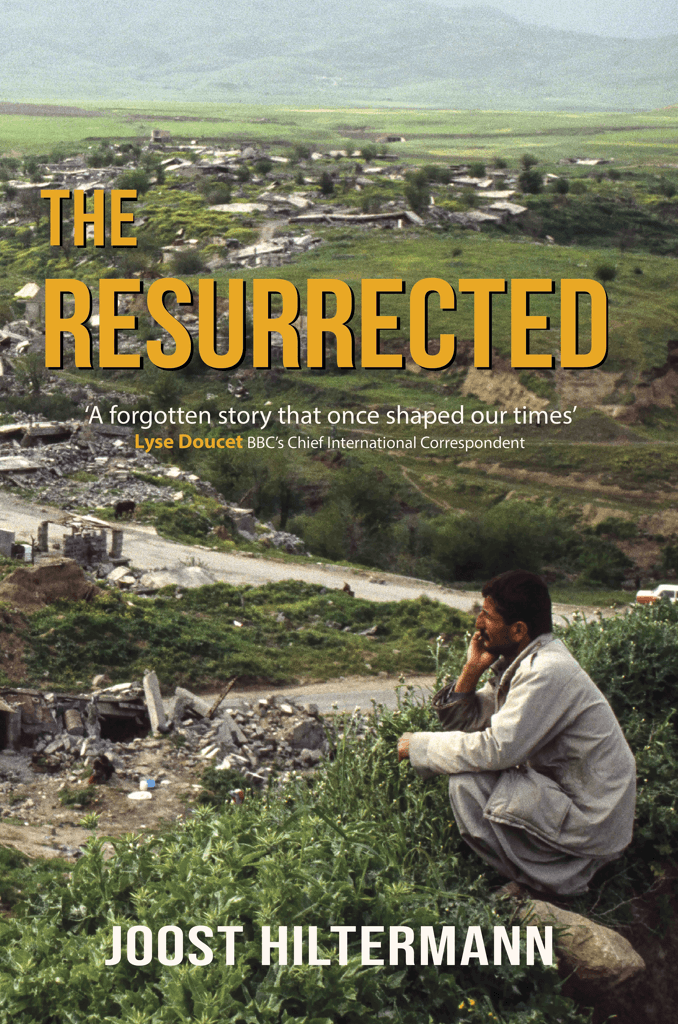
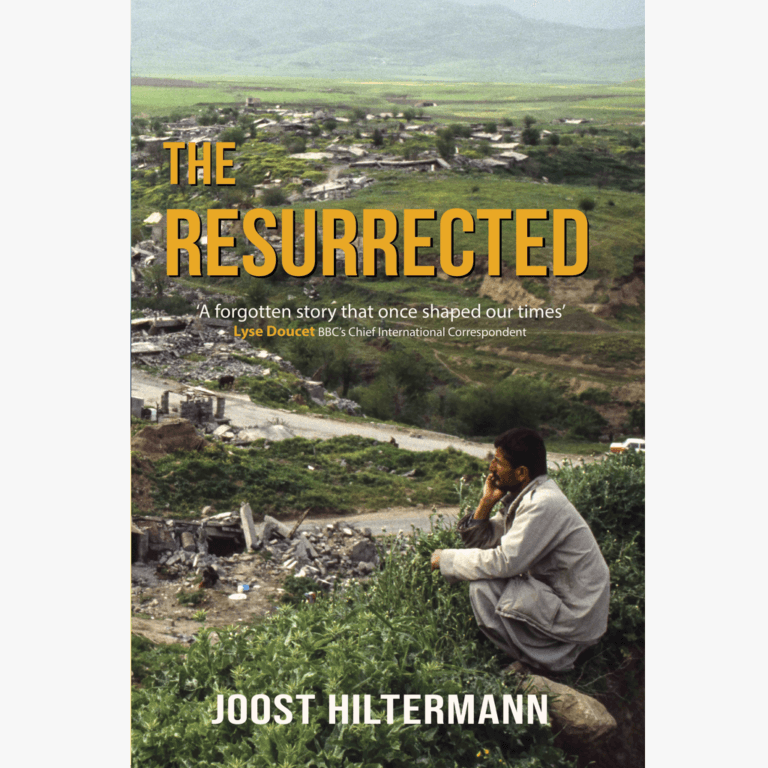
“The Resurrected” by Joost Hiltermann
Joost Hiltermann’s new novel is a powerful exploration of the 1988 Anfal genocide, launched against the Iraqi Kurds by Saddam…
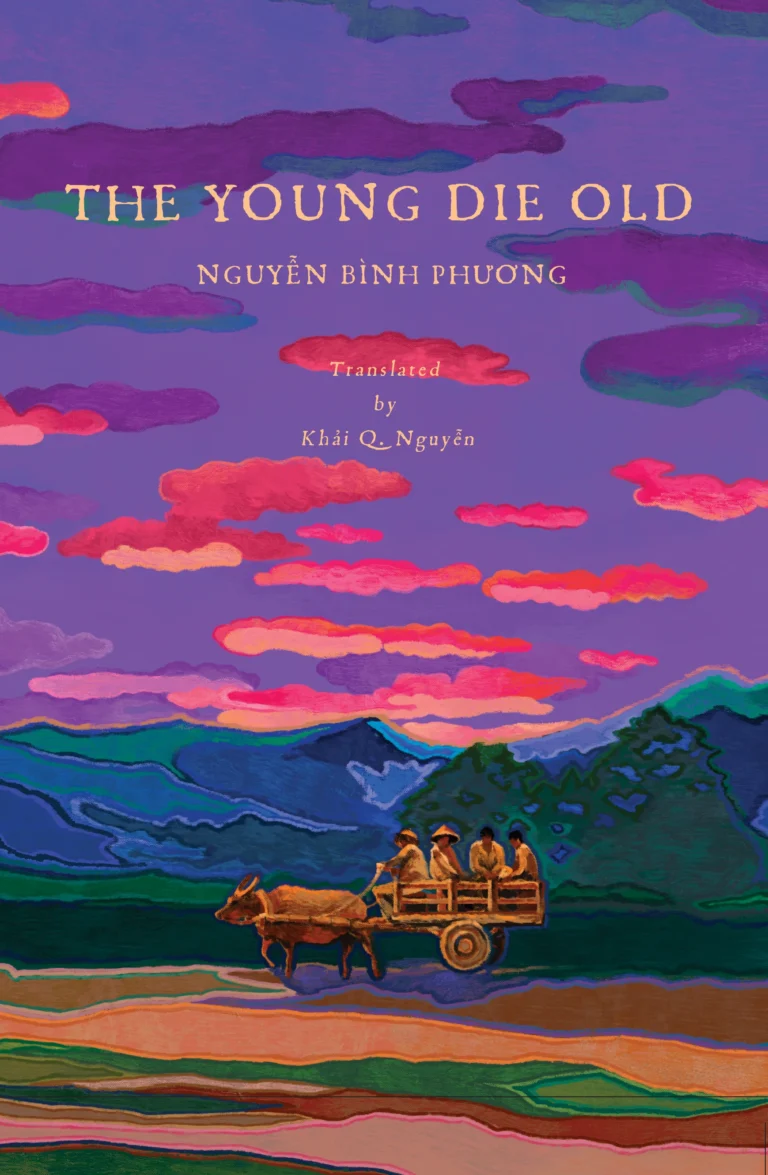
“The Young Die Old” by Nguyễn Bình Phương
The Young Die Old is Nguyễn Bình Phương second novel and was published in 1994 to great acclaim in his…

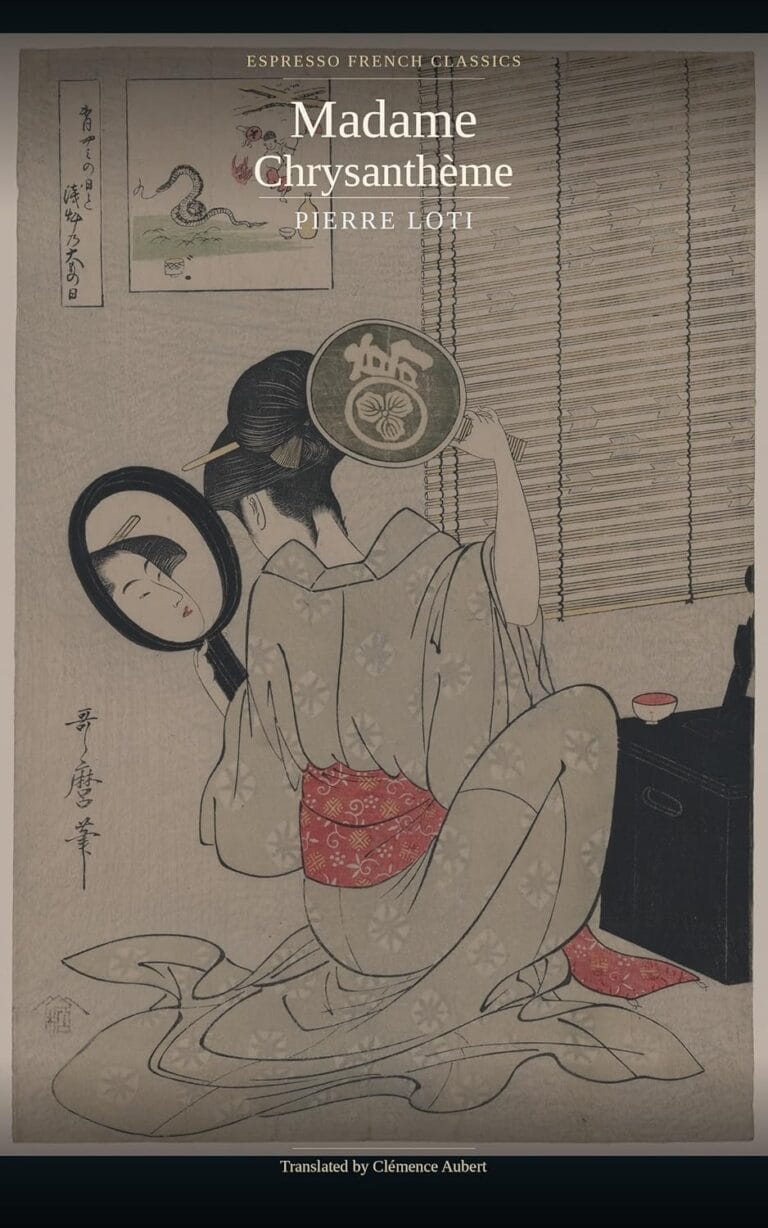
“Madame Chrysanthème” by Pierre Loti
French literature has had an outsized influence on Italian opera. Rigoletto, Manon Lescaut, La traviata, Tosca, L’elisir d’amore, La bohème…
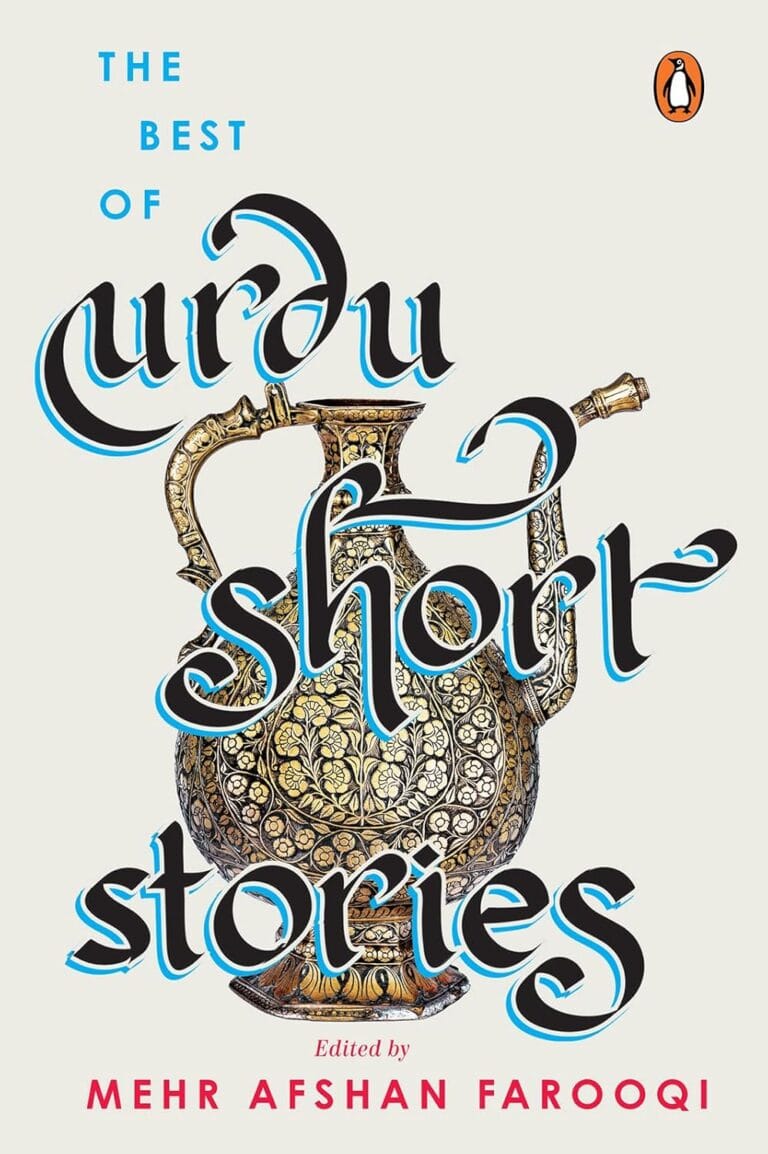
“The Best of Urdu Short Stories”
Anthologists are wont to label their collections “the best” or “the greatest”. In The Best of Urdu Short Stories, Mehr…

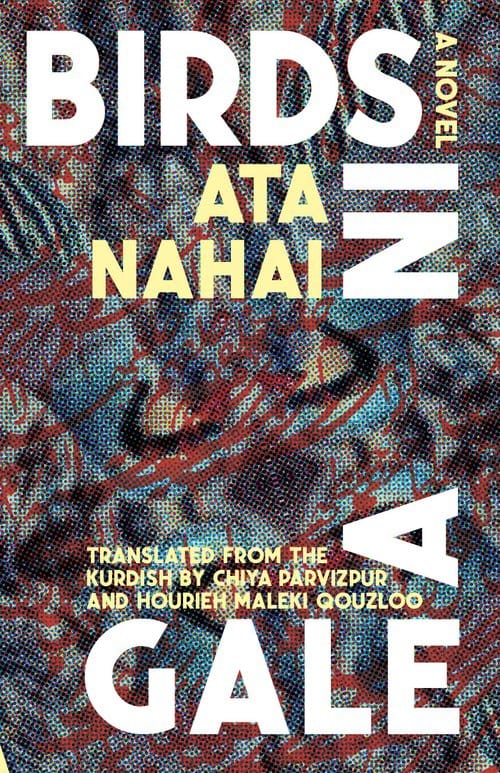
“Birds in a Gale: A Novel” by Ata Nahai
Nahai, who hails from Iranian Kurdistan, is regarded as one of the leading contemporary novelists writing in Kurdish. Birds in a Gale, originally published in 2002 and set in the Iran of the 1990s to consider the aftermath of the Iranian revolution of 1979, is one of his most celebrated novels and demonstrates both his…
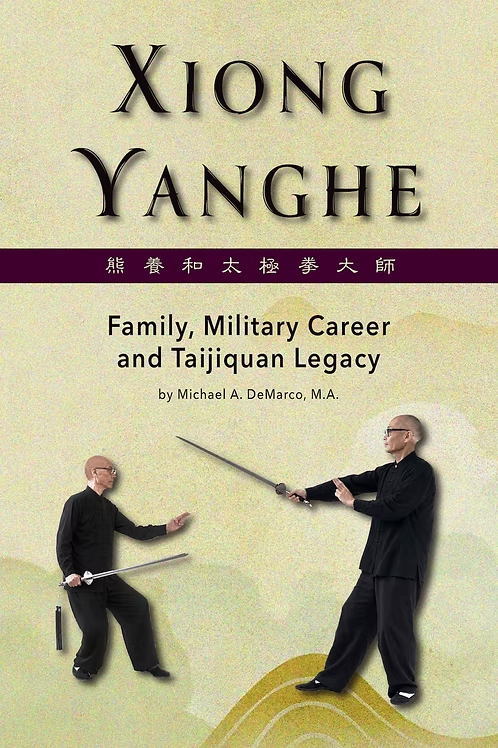
“Xiong Yanghe: Family, Military Career and Taijiquan Legacy” by Michael A DeMarco
Born in Jiangsu Province in 1889, Xiong Yanghe grew up on his family’s estate. His early decades were marked by warfare among various factions within China and devastating encroachments by…
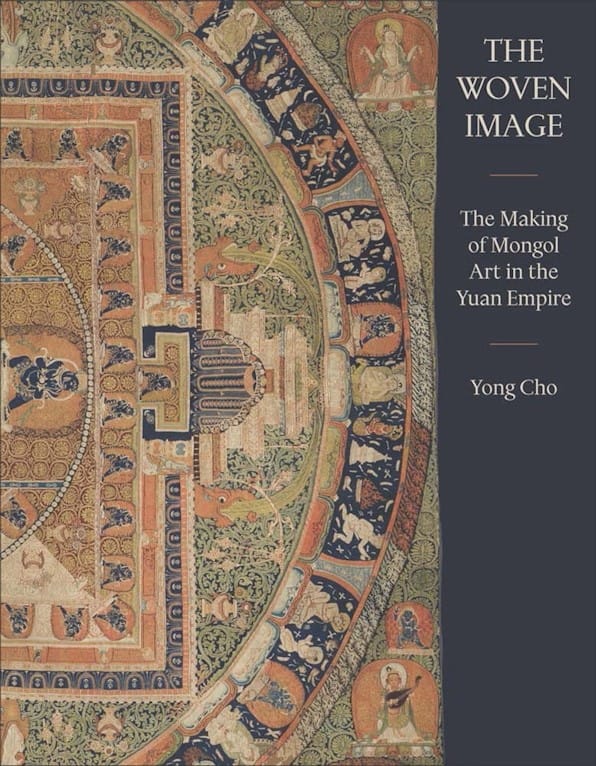
“The Woven Image” by Yong Cho
East Asia’s Yuan Empire (1271–1368), led by the nomadic Mongol people and Qubilai Khan (1215–1294), was marked by cross-cultural exchange and significant developments in trade, technology, and infrastructure. The Mongol…
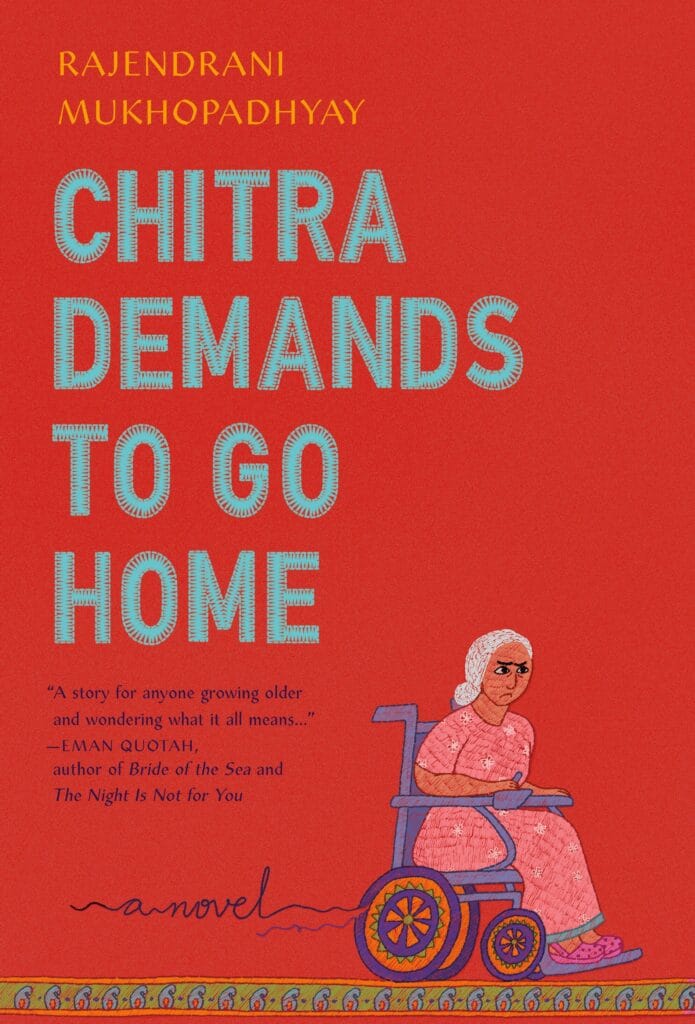
“Chitra Demands to Go Home” by Rajendrani Mukhopadhyay
A poignant debut novel that explores mother-son relationships, cross-cultural conversations, and the tribulations of getting older. Chitra Demands to Go Home tells the story of Chitra, a 75-year-old Bengali woman who…
“Songs in a Time Confinement” by Rashmy
Rashmy writes poetry in a Tamil unique to the East Coast of Sri Lanka, embedded in its ecologies and heavily influenced by its folklore, centuries of trade, and echoes of…
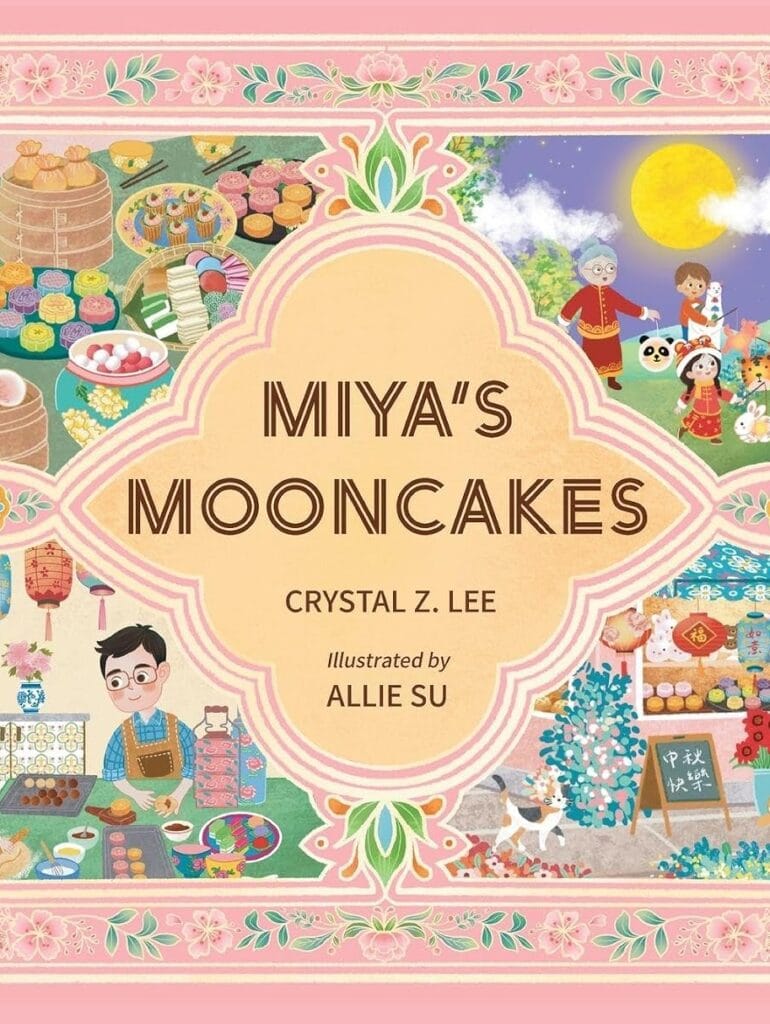
“Miya’s Mooncakes” by Crystal Z Lee
It’s almost time for Miya’s favorite holiday, the Mid-Autumn Festival. She loves all the holiday traditions: moon gazing, lighting lanterns, and best of all, baking and eating mooncakes! But after…
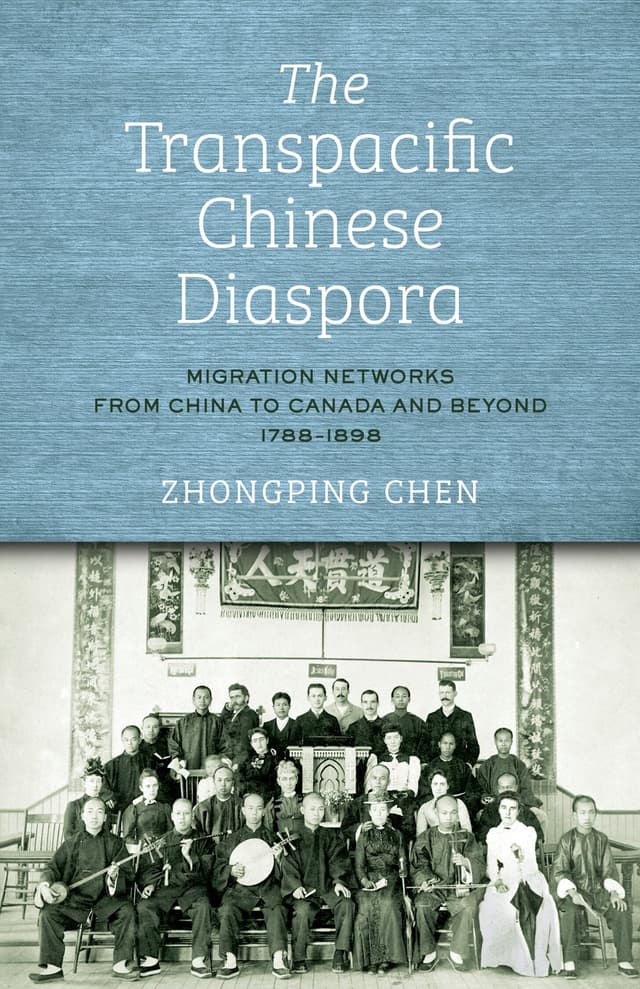
“The Transpacific Chinese Diaspora” by Zhongping Chen
In The Transpacific Chinese Diaspora, Chen examines the origins, rise, and reform of the Cantonese-dominated Chinese diaspora in Canada between 1788 and 1898. Combining a diasporic approach with both qualitative…
You must be logged in to post a comment.